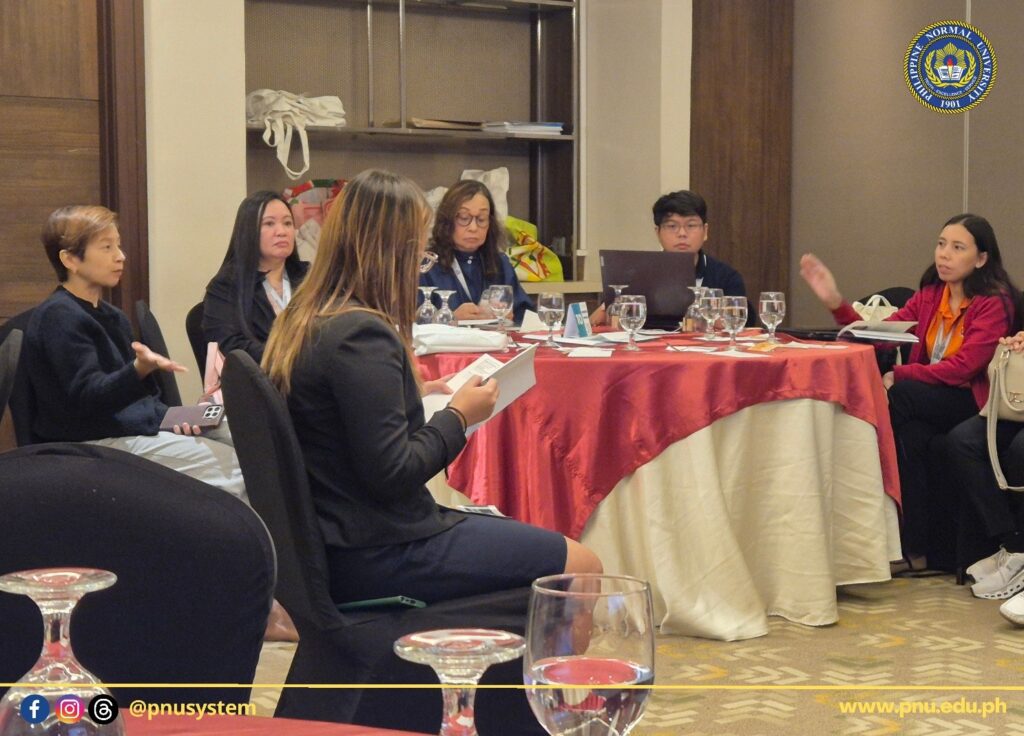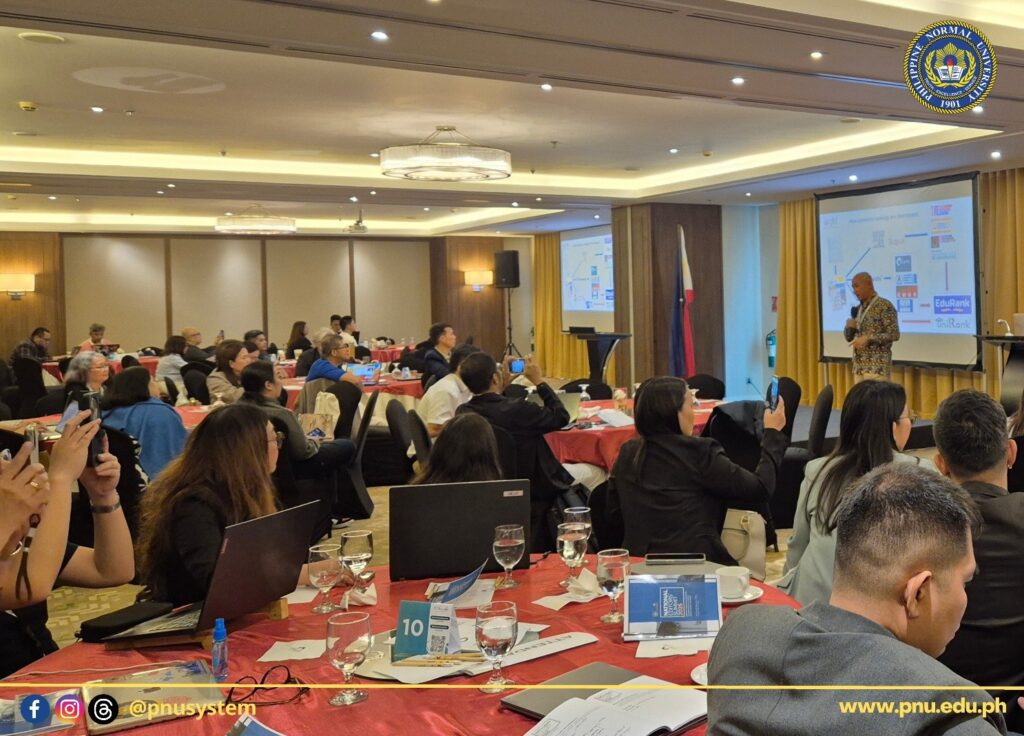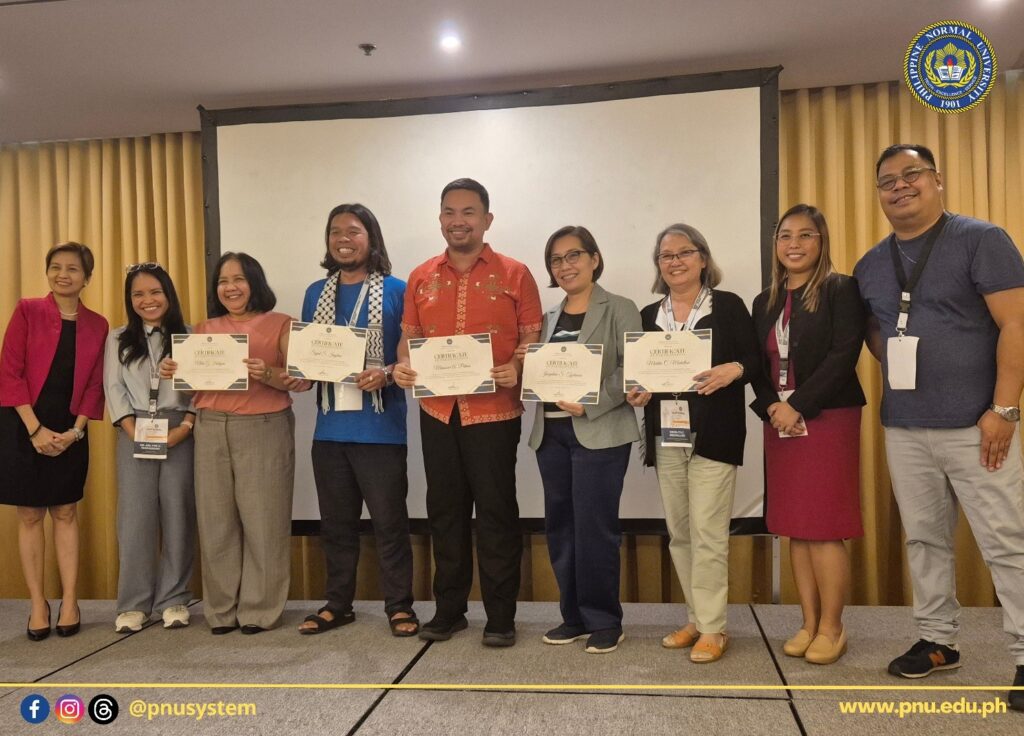

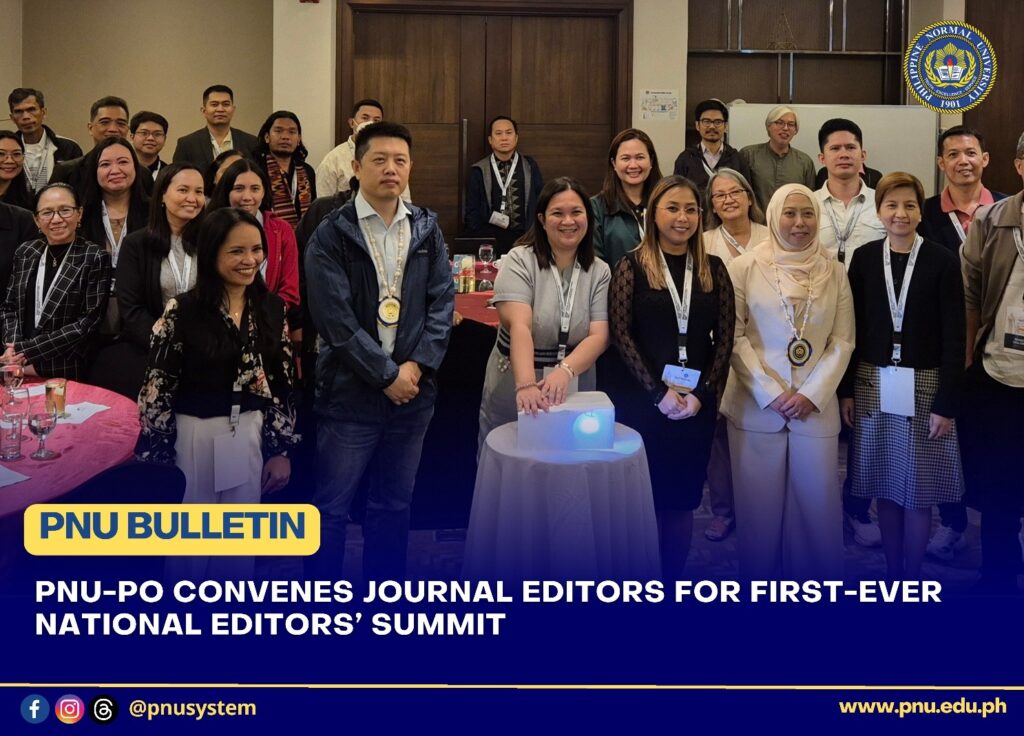
The Philippine Normal University (PNU), through the Publication Office, spearheaded the three-day National Editors’ Summit held on October 28 to 30, 2025. In this pioneering endeavor, editors from various journals across the Philippines gathered to establish connections and discuss the evolving landscape of Philippine journal publishing.
The summit opened with a warm welcome from Dr. Nikolee Marie A. Serafico-Reyes, convenor, followed by an inspiring message from University President Dr. Bert J. Tuga, who underscored the importance of the summit in shaping the future of scholarly communication in the country. Director of the PNU Publication Office, Dr. Marie Paz E. Morales, then presented the Statement of Purpose, highlighting the value of collaboration and knowledge exchange among journal editors and researchers. This was further complemented by Dr. Inero V. Ancho, convenor, who provided a detailed workshop orientation that gave participants a clear overview of the sessions to follow.
Keynote speakers from The Education University of Hong Kong—Dr. Lo Sing Kai, Prof. Qilong Zhang, and Prof. John Lee Chi-Kin—delivered thought-provoking presentations on bridging tradition and innovation in publishing. Plenary speakers Dr. Phil Duo Liu and Dr. Intan Safinas binti Mohd Ariff Albakri shared valuable insights on digital transformation and ASEAN journal practices, respectively. The day also featured a journal exchange activity, Editors’ Hour, and roundtable discussions, during which participants presented their outputs and shared experiences from their respective institutions. These interactive sessions set the tone for meaningful engagement and the exchange of ideas that would deepen over the succeeding days.
The second day began with a recap of the previous sessions, followed by a plenary talk on the State of Philippine Journals delivered by Dr. Feorillo Petronilo A. Demeterio III of De La Salle University. His presentation offered a comprehensive view of the current challenges and opportunities faced by local journals, presenting a balanced perspective on both the hurdles and the progress being made in the field. The session sparked in-depth discussions among participants on how to elevate journal quality and strengthen publication systems across the country.
During the Editors’ Hour and Roundtable Discussion 2 (RTD 2), participants examined key issues such as national policy, frameworks, and sustainability mechanisms. Various groups presented their analyses and recommendations aimed at enhancing journal operations and ensuring long-term viability. In the afternoon, Dr. Don Eliseo Lucero-Prisno III of the Recoletos Multidisciplinary Research Journal delivered an engaging talk on achieving both national and international journal accreditation. He emphasized the need for quality assurance, ethical publication practices, and global visibility as vital components in raising the profile of local journals. The day concluded with Roundtable Discussion 3 (RTD 3), which centered on actionable steps to align Philippine journals with international standards, ensuring their continued relevance and competitiveness in the global publishing arena.
The third and final day of the summit focused on strategic planning for the future of Philippine academic publishing. Participants engaged in collaborative workshops and thought-provoking discussions that explored strategies to enhance the quality, accessibility, and global recognition of local journals. Experts, editors, and stakeholders came together to brainstorm long-term goals and develop practical solutions addressing the dynamic needs of the academic publishing landscape.
A landmark outcome of the summit was the formal establishment of an association dedicated to advancing Philippine academic publishing. The newly formed body will serve as a platform for collaboration and advocacy, supporting local journals through shared best practices, mentorship, and policy development. The summit concluded with the election of officers who will lead the association in implementing the initiatives outlined in the summit’s roadmap. Elected to serve as the pioneering leaders were Dr. Marie Paz E. Morales as President, Dr. Don Eliseo Lucero-Prisno III as Vice President, Dr. Inero V. Ancho as Secretary, Dr. Rufo Gil Z. Albor as Treasurer, Dr. Roger D. Dolorosa as Auditor, and Dr. Excelsa C. Tongson as Public Relations Officer.
These officers are tasked with spearheading the efforts toward sustaining the momentum established during the summit, implementing the strategies discussed, and ensuring the continued growth and development of Philippine academic publishing. The National Editors’ Summit 2025 thus marked a significant milestone in strengthening the country’s scholarly ecosystem—one that bridges tradition and innovation toward a more vibrant and globally recognized future for Philippine journals.